1. Alineación óptica diaria mediante ojos modelo
Las lentes ópticas y los sensores digitales pueden sufrir microdesplazamientos con el tiempo, introduciendo desenfoque o puntos oscuros (artefactos) en tus imágenes retinianas.El Paso de Calibración: Antes de abrir las puertas de su clínica cada mañana, los médicos deben realizar una captura de prueba utilizando un "Ojo Modelo" estándar (suministrado por el fabricante). Un ojo modelo presenta puntos de referencia retinianos simulados y un error refractivo fijo.La Ventaja de ZD Medical: En ZD Medical, proporcionamos ojos modelo diseñados con precisión con nuestros sistemas para garantizar que su personal pueda verificar la nitidez geométrica y la precisión del enfoque en menos de 60 segundos, restableciendo la máquina a una base técnica perfecta cada mañana.
2. Balance de blancos y estandarización de la iluminación
Para la fotografía de fondo de ojo en color verdadero, capturar el tono preciso de la cabeza del nervio óptico, hemorragias o exudados es vital para el seguimiento de patologías. Sin embargo, las fuentes de luz LED naturalmente se degradan tras años de disparos continuos.El Paso de Calibración: La calibración regular implica colocar un objetivo de color estandarizado o una placa reflectante blanca pura frente a la lente. El software analiza la reflexión de la luz y ajusta automáticamente la ganancia RGB del sensor CMOS.La Ventaja de ZD Medical: Nuestro software de imagen digital cuenta con algoritmos automáticos de compensación de iluminación. Detecta cambios sutiles en la intensidad de la luz y recalibra automáticamente el brillo y el balance de blancos, asegurando que una imagen ocular capturada hace tres años tenga el mismo tono y contraste que una capturada hoy.
3. Precisión espacial y geométrica (escala de píxeles a micras)
Al medir cambios estructurales —como el adelgazamiento de la capa de fibras nerviosas de la retina (RNFL) o los gradientes de topografía corneal— un solo error de píxel puede alterar por completo el informe de progresión del glaucoma de un paciente.El Paso de Calibración: Los equipos técnicos utilizan microrejillas de alta precisión para mapear la densidad de píxeles con respecto a las dimensiones físicas del mundo real .La Ventaja de ZD Medical:
dispositivos ZD Medical utilizan algoritmos matemáticos avanzados que calibran de fábrica las estructuras espaciales. Además, nuestro software tiene en cuenta activamente errores refractivos específicos del paciente (como la miopía alta) para corregir dinámicamente la distorsión geométrica causada por los elementos naturales del cristalino del ojo.
4. Controles de luz ambiental y puesta a tierra eléctrica
Las condiciones externas suelen ser los culpables ocultos de las inconsistencias diagnósticas. Los cambios en la iluminación ambiental de una sala oscura o las fluctuaciones de voltaje pueden introducir ruido visual.El Paso de Calibración: Asegúrese de que sus sistemas de imagen estén conectados a sistemas de alimentación ininterrumpida (UPS) de grado médico para eliminar el banding horizontal electrónico en los sensores. Además, calibre el umbral de ruido de fondo del software para que coincida con la iluminación ambiental específica de la sala oscura de su suite de diagnóstico.La Compromiso de Calidad de Infraestructura de ZD MedicalEn ZD Medical , creemos que un dispositivo de imagen es tan bueno como su fiabilidad a largo plazo en el campo [cite: March 2026, the user worked on branding and promotional materials for ZD Medical including exhibition posters and website content for dispositivos de imágenes médicas. Evidencia: Múltiples solicitudes de activos de marketing en inglés e integración de logotipos para el proyecto "zdmedimage.com". Fecha de la conversación: 2026-03 a 2026-05.]. Cada dispositivo que sale de nuestra fábrica de producción automatizada se somete a una rigurosa simulación de estrés y calibración de 12 puntos, cumpliendo estrictamente con los estándares internacionales de gestión de calidad médica (ISO 13485).
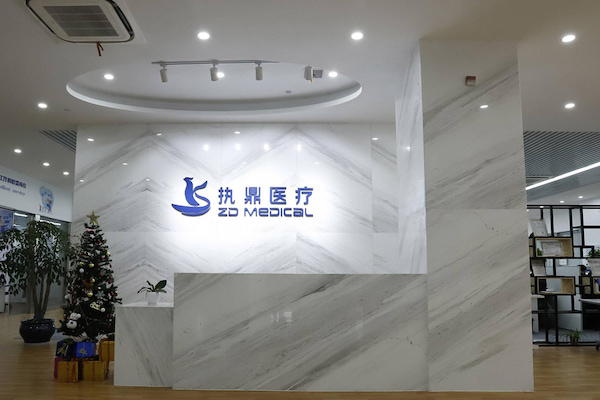
¿Interesado en convertirse en distribuidor? Contáctenos para precios al por mayor.
También bienvenido a contáctanos , somos ZD Medical Inc.
Tel : +86-187 9586 9515
Correo electrónico: sales@zd-med.com
WhatsApp/Móvil : +86-187 9586 9515


 compatible con la red ipv6
 español
 English
 العربية


